
Compare Local Contractors for Accessibility Modification Projects
Compare local contractors for accessibility modifications to define your project scope, verify experience, and set clear expectations in writing.
Accessibility modification contractors handle a variety of upgrades designed to improve safety, mobility, and independence within a property. Typical work may include installing ramps, widening doorways, modifying bathrooms with grab bars and accessible fixtures, lowering countertops, or adding stairlifts. These projects aim to create a more functional living or working space for individuals with mobility challenges, ensuring that essential areas are accessible and meet specific needs. When planning such modifications, it’s important to clearly define the scope of work to ensure all necessary adjustments are included and expectations are aligned before work begins.
Defining the scope of an accessibility modification project plays a crucial role in managing expectations and avoiding misunderstandings. A well-outlined scope clarifies exactly what work will be performed, which areas will be affected, and what modifications are to be made. This helps property owners communicate their needs effectively and ensures that service providers understand the project’s requirements. Having a detailed scope also makes it easier to compare proposals from different local contractors, as it provides a clear basis for evaluating what each offers and how they plan to approach the work.
Property owners can effectively compare local contractors by examining their experience with similar projects, verifying their familiarity with accessibility standards, and reviewing their portfolio of completed work. It’s advisable to request written proposals that specify the scope of work, materials, and methods to be used. Additionally, checking references or seeking recommendations can provide insights into a contractor’s reliability and quality of work. By focusing on these practical factors, property owners can select a service provider that aligns with their project needs and ensures a clear, shared understanding of the work to be performed.
Compare local contractors by outlining your priorities, verifying experience, and setting clear expectations in writing.
- Compare Service Providers - Review local contractors to find those with relevant experience in accessibility modifications.
- Define Project Scope - Clearly outline the work needed to ensure all parties understand expectations.
- Verify Experience - Confirm that contractors have a proven track record with similar accessibility projects.
- Set Expectations in Writing - Document the scope, details, and requirements to help prevent misunderstandings.
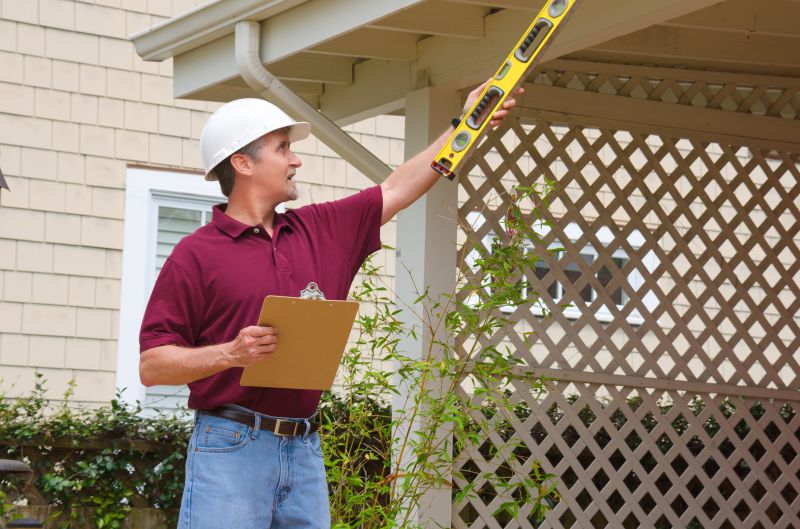
Clearly describe your accessibility modification project to help compare local contractors, define scope, verify experience, and set expectations in writing.
- Verify experience with accessibility modifications to ensure contractors understand specific requirements. - Look for local contractors who have a proven track record in accessibility upgrades and modifications.
- Define the scope of work clearly in writing to set expectations and prevent misunderstandings. - Ensure the scope details the specific modifications needed, such as ramps, door widening, or bathroom adjustments.
- Compare multiple service providers based on their expertise, portfolio, and client reviews related to accessibility projects. - Gathering information from different local contractors helps identify those with relevant experience.
- Check that contractors can provide detailed written proposals outlining the work to be performed. - Written proposals should specify the tasks, materials, and standards to be followed.
- Confirm that contractors are familiar with applicable accessibility standards and building codes relevant to the project. - Ensuring compliance with standards helps avoid issues during or after project completion.
- Request references or examples of past accessibility modifications to assess the quality of work and suitability. - Reviewing previous work provides insight into the contractor’s ability to meet specific accessibility needs.
Use this to compare local contractors, clarify scope, verify experience, and set clear expectations in writing.


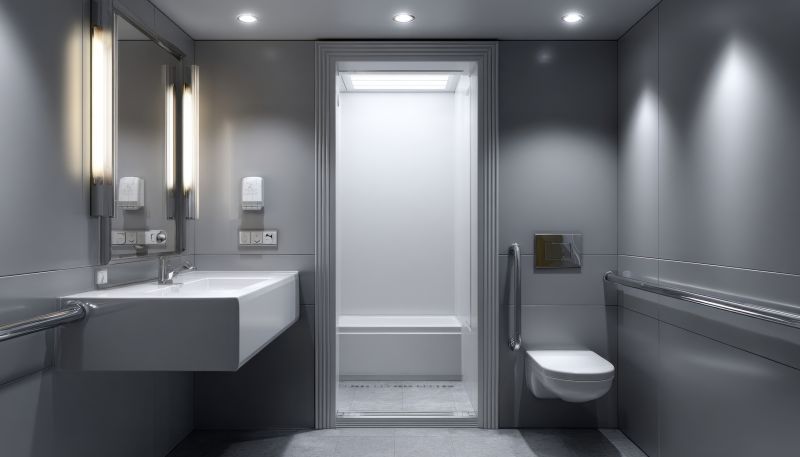

Compare local contractors' scope of work and experience to ensure consistent standards across all service providers.
- Define scope of accessibility modifications - clearly specify the specific changes or upgrades needed for accessibility improvements.
- Verify experience with accessibility projects - ensure service providers have relevant experience in accessibility modifications.
- Check references or portfolio of previous accessibility work - review examples or feedback from past clients to assess quality and reliability.
- Establish written expectations and scope details - document the work scope, materials, and standards to be followed in a formal agreement.
- Compare local contractors for accessibility modifications - evaluate multiple service providers based on expertise, reputation, and scope clarity.
When comparing contractors for accessibility modifications, it’s important to consider their experience with similar projects. Homeowners should inquire about the types of modifications the service providers have completed in the past, such as ramps, widened doorways, or bathroom adjustments. Contractors with a history of handling projects comparable in scope and complexity are more likely to understand the specific requirements and potential challenges involved. Reviewing a contractor’s portfolio or requesting references can help gauge their familiarity with accessibility upgrades that meet individual needs.
A clear and detailed written scope of work is essential for setting expectations and ensuring all parties are aligned. Homeowners should seek proposals that outline specific tasks, materials, and responsibilities involved in the project. A well-defined scope helps prevent misunderstandings and provides a basis for evaluating whether a contractor’s approach aligns with the project goals. It is beneficial to review any written documentation carefully and ask for clarifications or adjustments before proceeding, ensuring that all aspects of the modification are thoroughly understood.
Verification basics involve confirming that contractors have a track record of successful projects and a solid understanding of accessibility standards. Homeowners can ask about the types of projects completed, the experience level of the team, and the methods used to ensure quality and compliance. While licensing and certification are not part of this process, checking references and seeking examples of completed work can provide insight into a contractor’s reliability and expertise. Clear communication about project expectations and verification methods helps foster confidence in the chosen service provider.
Evaluating options without focusing on prices involves comparing the scope, experience, and communication style of different contractors. Homeowners should consider how well each service provider understands the project needs, the clarity of their proposals, and their approach to problem-solving. Asking questions about their process, timeline estimates, and how they handle unexpected issues can also inform decision-making. By focusing on the quality of the proposed work and the contractor’s ability to meet specific accessibility goals, homeowners can make informed choices that align with their needs and expectations.
Request written scope and expectations to ensure clarity and consistency when comparing accessibility modification contractors.
- Experience and Specialization - What specific experience do local contractors have with accessibility modifications?
- Scope of Work - How do contractors define and document the scope of accessibility modification projects?
- Comparison of Services - What services are included or excluded when comparing different local service providers?
- Project Expectations - How do contractors clarify project expectations and deliverables in writing?
- Customization Options - What customization options or adaptations do local contractors offer for accessibility needs?
What should I consider when choosing a contractor for accessibility modifications? It's important to compare local contractors based on their experience, reputation, and the scope of services they offer. Verifying their familiarity with accessibility standards can help ensure the work meets your needs.
How can I define the scope of my accessibility modification project? Clearly outlining your specific accessibility needs and desired outcomes can help communicate your expectations to service providers and ensure they understand the project requirements.
What questions should I ask contractors before hiring them? Inquire about their experience with similar projects, the types of modifications they perform, and how they handle project planning and communication to ensure alignment with your expectations.
Why is it important to get the scope of work in writing? Having a detailed, written scope of work helps establish clear expectations, reduces misunderstandings, and provides a reference for project completion and any future adjustments.
How can I compare different contractors effectively? Review their experience with accessibility modifications, request references or examples of past work, and ensure their proposed scope aligns with your needs before making a decision.
What should I know about a contractor's experience with accessibility modifications? Confirm that the service providers are familiar with the types of modifications you require and have a track record of completing similar projects successfully.
By exploring the information provided, visitors can better understand how to identify qualified contractors capable of handling accessibility modifications. Comparing local service providers helps define project scope, verify relevant experience, and establish clear expectations through written agreements. Using the quote form allows for easy access to multiple options, making it simpler to find the right match for specific needs.
Taking a few moments to utilize the quote form can connect individuals with local contractors experienced in accessibility modifications. This process supports informed decision-making by highlighting available options and encouraging thorough comparison. Engaging with local service providers through this approach offers a straightforward way to explore potential solutions tailored to personal requirements.