
Compare Local Contractors for House Addition Projects
Compare local contractors to define your project scope, verify experience, and set clear expectations in writing for a successful house addition.
House addition construction involves expanding existing homes to create extra living space, such as extra bedrooms, bathrooms, or expanded kitchens. This type of work typically covers a range of tasks, including design planning, obtaining permits, foundation work, framing, roofing, electrical and plumbing installations, insulation, drywall, and finishing touches. Contractors specializing in house additions often coordinate multiple trades and manage complex projects to ensure the new space integrates seamlessly with the existing structure. Understanding the scope of work helps property owners communicate their needs clearly and ensures the project covers all necessary elements for a successful addition.
Defining the scope of a house addition project is essential for setting clear expectations and avoiding misunderstandings. A well-outlined scope includes detailed descriptions of the work to be done, materials to be used, and specific features desired. When scope details are clear and documented, property owners can better compare contractors based on their experience with similar projects, their approach to managing different phases, and their ability to deliver results aligned with the outlined plans. This clarity also helps prevent scope creep, which can lead to unexpected complications or changes later in the process.
To compare local contractors effectively, property owners should consider their experience with house additions, especially in similar types of projects or architectural styles. Reviewing portfolios, asking for references, and verifying familiarity with local building codes can provide insight into a contractor’s capabilities. It’s also helpful to evaluate how each contractor communicates, their approach to project management, and their willingness to provide detailed written proposals that specify scope, materials, and responsibilities. By gathering this information, property owners can make informed decisions and select a service provider that aligns with their project needs and expectations.
Compare local contractors by outlining your project priorities, verifying experience, and documenting clear scope and expectations.
- Compare Local Contractors - review multiple service providers to find the best match for your house addition project.
- Define Project Scope - clearly outline the work and expectations to ensure mutual understanding with contractors.
- Verify Experience - assess the background and past work of local contractors to gauge their expertise.
- Document Agreements - put all project details, scope, and expectations in writing before work begins.

Clearly describe your house addition project to effectively compare local contractors, verify experience, and set written expectations.
- Verify experience with house addition projects similar in scope and size to ensure familiarity with the work. - Look for service providers who clearly define the scope of work and project expectations in writing.
- Compare multiple local contractors to assess their approaches, communication, and level of detail in proposals. - Ensure that each contractor provides a comprehensive plan outlining materials, methods, and responsibilities.
- Check references or reviews to gauge previous clients' satisfaction and the quality of completed house addition projects. - Confirm that contractors have a track record of completing projects on time and meeting client expectations.
- Assess the contractor’s ability to coordinate with other trades and manage the sequence of construction phases effectively. - A well-organized contractor can help ensure the project progresses smoothly and minimizes delays.
- Ensure that the scope of work, materials, and responsibilities are clearly documented in a written agreement before work begins. - This helps prevent misunderstandings and provides a basis for resolving disputes if they arise.
- Determine how the contractor plans to handle permits, inspections, and any necessary approvals for the house addition. - Clarifying responsibilities in these areas ensures compliance and helps avoid potential legal or regulatory issues.
Use this to compare contractors, clarify project scope, verify experience, and set clear expectations in writing.

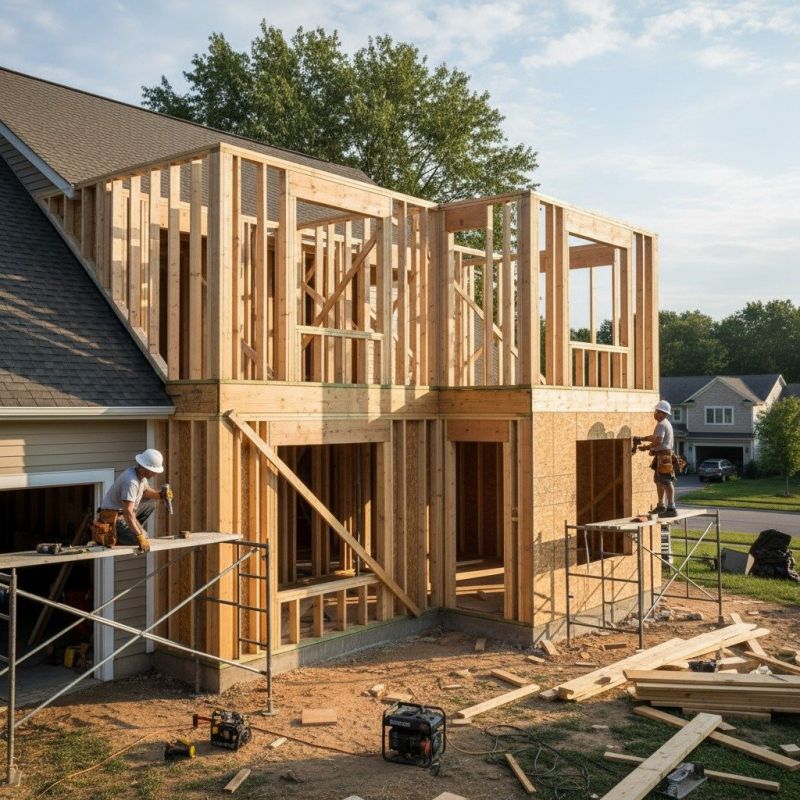
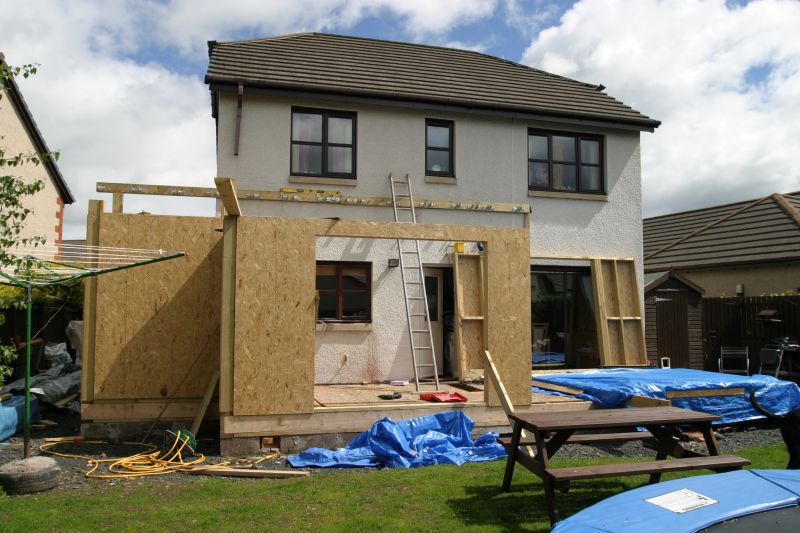

When comparing house addition contractors, focus on defining scope, verifying experience, and maintaining consistent expectations without prices.
- Define project scope - clearly outline the specific additions and modifications included in the house expansion.
- Verify experience - ensure service providers have relevant experience with house addition construction projects.
- Establish expectations in writing - document the scope, materials, and work responsibilities to prevent misunderstandings.
- Assess credentials and references - review qualifications and seek references to verify the quality of past house addition work.
- Compare service providers - evaluate multiple local contractors based on their expertise, scope definition, and communication clarity.
When evaluating contractors for a house addition, it’s important to consider their experience with similar projects. Homeowners should inquire about the types of additions the contractor has completed and request details about past work that closely resembles the scope of their planned project. A contractor with a strong track record in building additions similar in size and style can offer insights into potential challenges and solutions, helping to ensure that the project aligns with expectations and requirements.
A clear, written scope of work is essential when comparing service providers. This document should outline the specific tasks, materials, and standards expected for the addition. Having a detailed scope helps prevent misunderstandings and provides a solid basis for evaluating each contractor’s approach. It also ensures that all parties are aligned on what the project entails, making it easier to identify any gaps or ambiguities before work begins.
Verification basics involve confirming a contractor’s experience and reputation through references or portfolio reviews. Homeowners should ask for examples of completed projects similar to their planned addition and seek feedback from previous clients. Additionally, checking for any relevant credentials or industry affiliations can provide further confidence in a contractor’s professionalism and commitment to quality. These steps help establish trust and clarify the contractor’s ability to deliver the desired outcome.
When comparing options, it’s useful to evaluate how each contractor communicates and documents the project details. A thorough proposal or written agreement that clearly defines the scope, materials, and responsibilities can serve as a valuable reference throughout the project. Homeowners should assess how well each service provider understands the project’s needs and whether their proposed approach aligns with the homeowner’s expectations. Carefully reviewing these elements can lead to a more informed decision and a smoother construction process.
Ask contractors to provide written scope details to ensure clear expectations and consistent project understanding.
- Experience and Portfolio - What past projects and experience do local contractors have with house additions similar to the scope of your project?
- Scope of Work - How clearly do the contractors define the work included and excluded in their service proposals?
- Comparison of Services - What specific services and materials do different local service providers offer for house addition construction?
- Communication and Clarifications - How thoroughly do contractors clarify project expectations, responsibilities, and deliverables in writing?
- References and Reputation - What references or reviews can contractors provide to verify their experience and quality of work?
How can I compare contractors for a house addition? To compare contractors, review their experience with similar projects, verify references, and assess the clarity of their written scope of work and expectations.
What should I look for when defining the scope of my house addition? Clearly outline the desired features, dimensions, and materials, and ensure the contractor provides a detailed written description to avoid misunderstandings.
How do I verify a contractor’s experience with house additions? Ask for examples of previous projects, request references, and confirm that they have completed similar additions successfully in the past.
Why is it important to have expectations in writing? Written expectations help prevent miscommunication, set clear responsibilities, and provide a reference point throughout the project.
What questions should I ask potential service providers? Inquire about their experience, project management approach, how they handle changes, and request detailed proposals outlining the scope and responsibilities.
How can I ensure a contractor understands my vision for the house addition? Communicate your ideas clearly, provide sketches or plans if available, and confirm that the scope and expectations are documented in writing before starting.
Homeowners now have a clearer understanding of the key steps involved in selecting qualified contractors for house addition projects. Comparing local service providers, defining the scope of work, verifying their experience, and putting all expectations in writing are essential practices to ensure a smooth process. Utilizing the quote form allows for easy access to multiple local contractors, making it simpler to evaluate options and find the right match for the project’s needs.
Taking the time to compare and connect with reputable local contractors can help clarify the process and set clear expectations from the outset. Using the quote form to reach out to service providers provides a straightforward way to explore available options and gather the information needed to make an informed decision about your house addition project.