
Compare Local Contractors for Your Home Addition Project
Compare local contractors to define your project scope, verify experience, and establish clear expectations for your home addition.
Home addition projects typically encompass a range of work that expands or enhances existing living spaces within a home. This can include building new rooms, extending existing areas like kitchens or living rooms, adding second-story levels, or creating specialized spaces such as home offices, gyms, or guest suites. The scope of work often involves coordinating multiple tasks, including framing, drywall, electrical, plumbing, insulation, and finishing touches. Understanding what a home addition entails helps property owners communicate their needs clearly and ensures that service providers are aligned on the project's objectives.
Defining the scope of a home addition is a crucial step in the planning process. Clear, detailed descriptions of the work to be performed help prevent misunderstandings and set realistic expectations for what will be accomplished. When scope is well-defined, property owners can better evaluate the experience and capabilities of different contractors, ensuring they have the necessary skills and resources for the specific type of addition. Documenting the scope in writing also provides a reference point throughout the project, which can help address any questions or changes that arise along the way.
Property owners seeking to compare local contractors for a home addition should focus on their experience with similar projects, the quality of their previous work, and their ability to communicate effectively. It’s beneficial to review portfolios or references that demonstrate the contractor’s expertise in the type of addition being planned. Additionally, obtaining detailed proposals that outline the scope of work, materials, and responsibilities allows for an apples-to-apples comparison. By asking questions about their approach and verifying their familiarity with local building codes and regulations, property owners can make informed decisions and select service providers best suited to their specific project needs.
Compare local contractors by outlining your priorities, verifying experience, and setting clear expectations in writing.
- Compare Contractor Credentials - Review the experience and reputation of local contractors to ensure they meet project requirements.
- Define Project Scope Clearly - Establish detailed specifications and expectations to align with the chosen service providers.
- Verify Experience and Past Work - Assess previous projects and client references to evaluate the quality of work.
- Document Agreements in Writing - Ensure all project details, responsibilities, and expectations are put in writing before work begins.
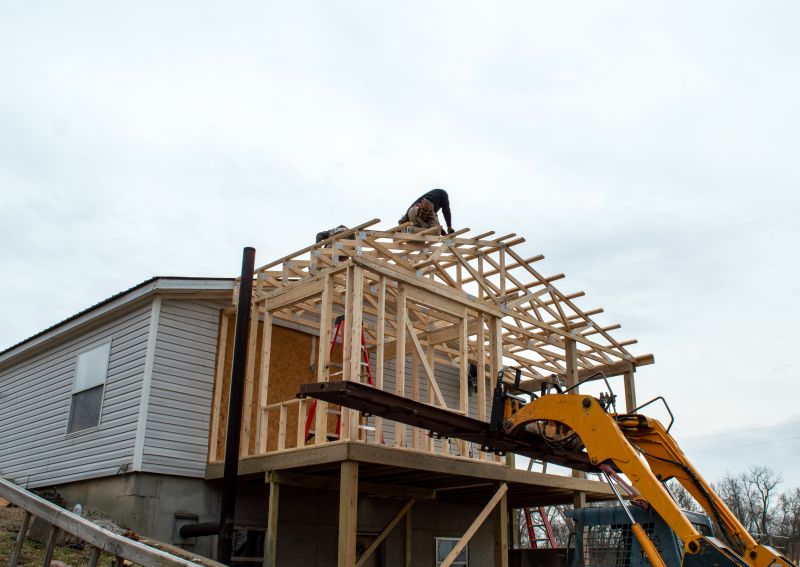
Clearly describe your home addition project to effectively compare options, verify experience, and set clear expectations with local contractors.
- Verify experience with home addition projects similar in scope and complexity. - Ensure contractors have a proven track record of successfully completing home additions comparable to the desired scope.
- Compare credentials and references to assess reliability and quality of previous work. - Review references and past project examples to gauge the contractor’s reputation and craftsmanship.
- Define project scope and expectations clearly in written agreements. - Make sure all project details, including design, materials, and deliverables, are documented to prevent misunderstandings.
- Check for proper permits and adherence to local building codes. - Confirm that the contractor is knowledgeable about necessary permits and code compliance requirements.
- Assess communication style and responsiveness during initial discussions. - Choose service providers who communicate clearly and promptly to facilitate smooth project coordination.
- Discuss warranty and post-completion support to understand coverage and service commitments. - Clarify what warranties are offered and how support will be handled after project completion.
Use this to compare local contractors, clarify project scope, verify experience, and set clear expectations.
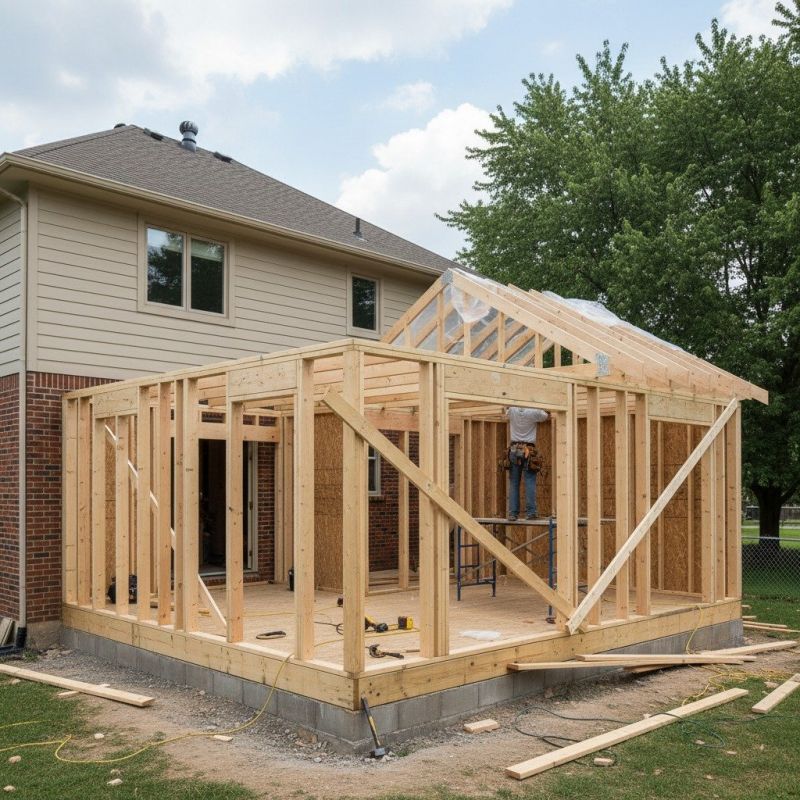
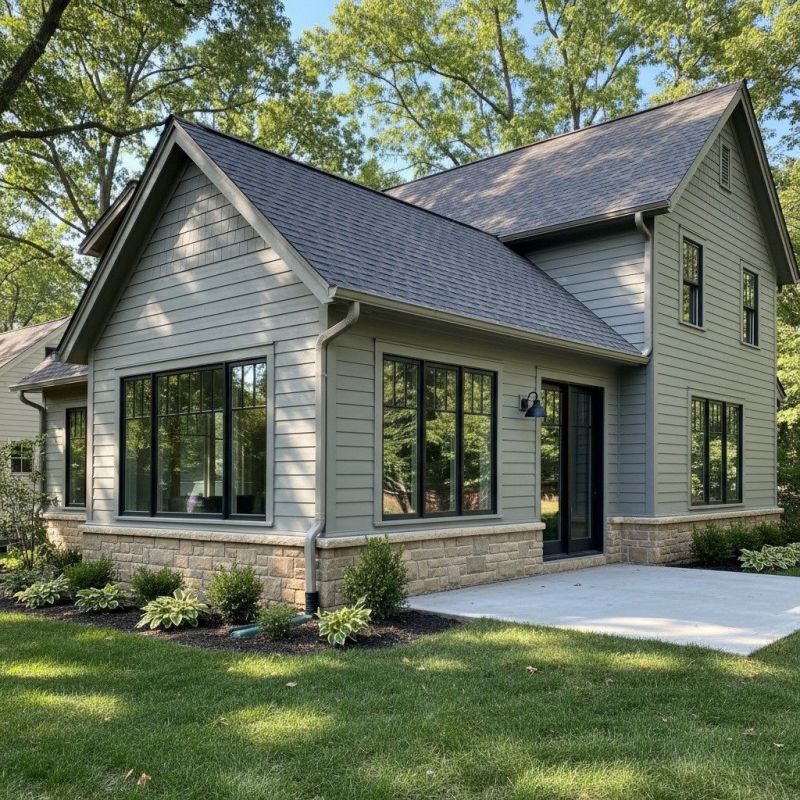
This scope builder helps you compare local contractors easily by defining project details, verifying experience, and setting clear expectations without referencing prices.
- Scope Definition - Clearly outline the specific areas and features to be included in the home addition.
- Experience Verification - Confirm that local contractors have relevant experience with similar home addition projects.
- Project Requirements - Identify essential project details, such as design preferences and structural considerations.
- Written Expectations - Ensure all project scope, responsibilities, and deliverables are documented in writing.
- Comparison Criteria - Develop a set of standards to compare and evaluate different service providers objectively.
When evaluating contractors for a home addition, it’s important to consider their experience with similar projects. Home additions can vary widely in scope and complexity, so seeking out service providers who have completed comparable work can provide insight into their capabilities. Ask potential contractors about their past projects that resemble the size and style of the addition you are planning. A contractor with relevant experience is more likely to understand the unique challenges involved and deliver results that meet expectations.
A clear, written scope of work is essential when comparing contractors. This document should outline the specific tasks, materials, and standards expected for the project. Having a detailed scope helps ensure that everyone is aligned on what will be done, reducing misunderstandings and scope creep later in the process. When reviewing proposals or estimates, prioritize those that include comprehensive descriptions of the work to be performed, as this reflects professionalism and a thorough understanding of the project.
Verification basics are key to making an informed decision. Confirm that potential service providers have a solid track record of completing similar projects successfully. This can involve checking references, reviewing portfolios, or seeking testimonials from previous clients. Additionally, verify that the contractor has the necessary insurance coverage and adheres to local building codes and regulations. These steps help establish credibility and minimize the risk of encountering issues during the project.
When comparing options, focus on how well each contractor’s approach aligns with your project goals and expectations. Evaluate the clarity of their communication, the thoroughness of their written scope, and their demonstrated experience with similar additions. It’s beneficial to ask for detailed descriptions of how they plan to handle different aspects of the work and to confirm that they can provide the level of detail you need in writing. This approach helps create a transparent, well-understood foundation for moving forward with the right service provider for your home addition.
Ask contractors to provide written scope details to ensure clear expectations and consistent project understanding.
- Experience and Portfolio - How can I verify the experience and past projects of local contractors?
- Scope of Work - What details should be included to clearly define the scope of the home addition?
- Comparison Criteria - What factors should be used to compare different service providers beyond cost?
- Communication and Expectations - How can I ensure expectations are clearly documented in the project plan?
- References and Reviews - What questions should I ask when checking references or reviews of local contractors?
How can I compare contractors for a home addition? To compare contractors effectively, review their experience with similar projects, ask for references, and verify their reputation through online reviews or industry associations.
What should I consider when defining the scope of my home addition? Clearly outline the desired space, functions, and any specific features, then communicate these details to potential contractors to ensure mutual understanding.
How do I verify a contractor’s experience with home additions? Request information about past projects, ask for references, and review portfolios or case studies that demonstrate their expertise in home addition work.
What is important to include in a written agreement with a contractor? Ensure the scope of work, project specifications, payment terms, and expectations are documented clearly to prevent misunderstandings.
How can I ensure a contractor understands my expectations? Provide detailed descriptions, ask for written documentation, and confirm that the contractor acknowledges and agrees to the project scope and requirements.
Why is it helpful to check a contractor’s credentials and reputation? Verifying credentials and reputation helps confirm professionalism and reliability, reducing the risk of issues during the project.
This page has provided an overview of how to find qualified contractors for home addition projects. Visitors learned the importance of clearly defining the scope of work, verifying the experience of service providers, and establishing written agreements to set clear expectations. Comparing multiple local contractors can help identify options that best match the specific needs of a home addition.
Using the quote form allows for easy comparison of local service providers who can handle home addition projects. Taking the time to gather information and evaluate different options can support making informed decisions about which contractors are best suited for the job.