
Compare and Choose Local Contractors for Industrial Remodeling
Compare local contractors for industrial remodeling to define scope, verify experience, and set clear expectations, ensuring a successful project outcome.
Industrial remodeling projects typically encompass a range of upgrades and modifications to existing industrial facilities, including factories, warehouses, manufacturing plants, and distribution centers. These projects often involve structural changes, interior renovations, equipment upgrades, and improvements to workflows or safety features. Contractors working in this field need to have a solid understanding of industrial systems, building codes, and safety standards to ensure that modifications meet operational needs while maintaining compliance.
Clearly defining the scope of an industrial remodeling project is essential for setting realistic expectations and avoiding misunderstandings. Property owners should work with service providers to specify exactly what work is to be completed, including the types of renovations, the extent of structural changes, and any necessary upgrades. Documenting these details in writing helps ensure that both parties have a shared understanding of the project’s objectives and deliverables, providing a foundation for effective communication and accountability throughout the process.
When comparing local contractors for industrial remodeling, property owners should evaluate their experience with similar projects, verify their reputation within the community, and review their portfolio of completed work. It’s important to consider how each contractor approaches project scope, communication, and documentation to ensure alignment with the project’s needs. Gathering references or feedback from previous clients can also provide insight into a contractor’s reliability and professionalism. By assessing these factors, property owners can make informed decisions when selecting a service provider capable of handling the specific requirements of industrial remodeling projects.
Compare local contractors by outlining your project priorities, verifying experience, and clearly defining expectations in writing.
- Define Project Scope - Clearly outline the work to be done to ensure mutual understanding with service providers.
- Verify Experience - Confirm that contractors have relevant experience with industrial remodeling projects.
- Compare Service Providers - Evaluate local contractors based on expertise, reputation, and service offerings.
- Document Expectations - Put all project details and agreements in writing to prevent misunderstandings.
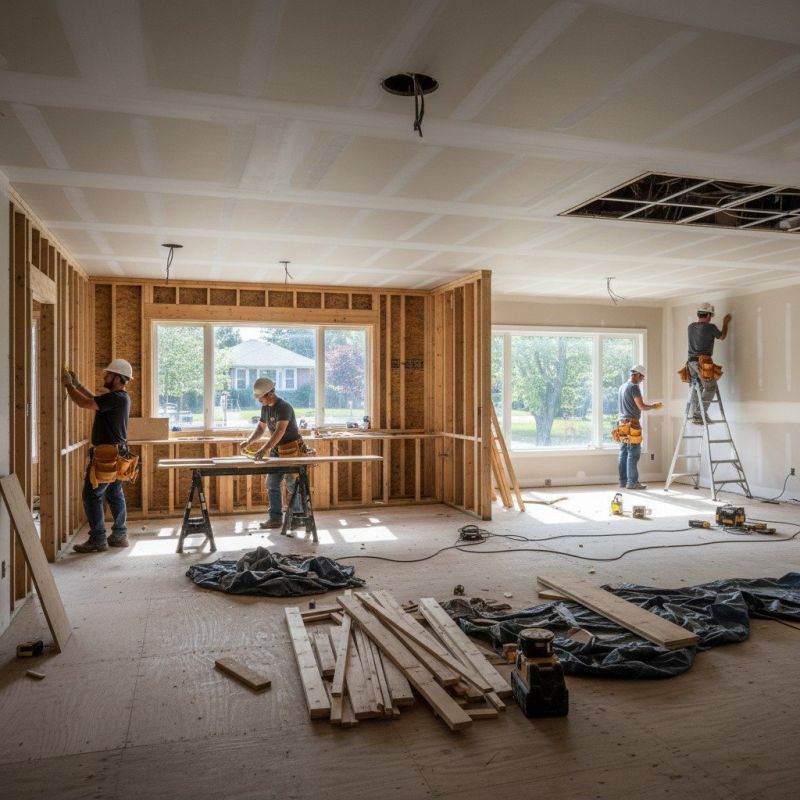
Clearly describe your industrial remodeling project upfront to effectively compare local contractors, verify experience, and set clear expectations in writing.
- Verify experience with industrial remodeling projects similar in scope and complexity. - Ensure contractors have a proven track record handling projects in industrial settings.
- Define the project scope clearly and ensure it is documented in writing. - Clear scope documentation helps prevent misunderstandings and scope creep.
- Assess the contractor’s familiarity with industrial codes and safety standards. - Confirm that service providers understand relevant regulations and industry best practices.
- Compare the credentials and references of multiple local contractors. - Gathering references and verifying past work can provide insight into reliability and quality.
- Discuss and document project expectations, deliverables, and communication protocols beforehand. - Written agreements help align expectations and facilitate smooth project progression.
- Check for the contractor’s ability to coordinate with other trades and suppliers involved in industrial remodels. - Effective coordination ensures timely progress and minimizes disruptions during the project.
Compare local contractors, verify their experience, and clearly define project scope to set expectations.

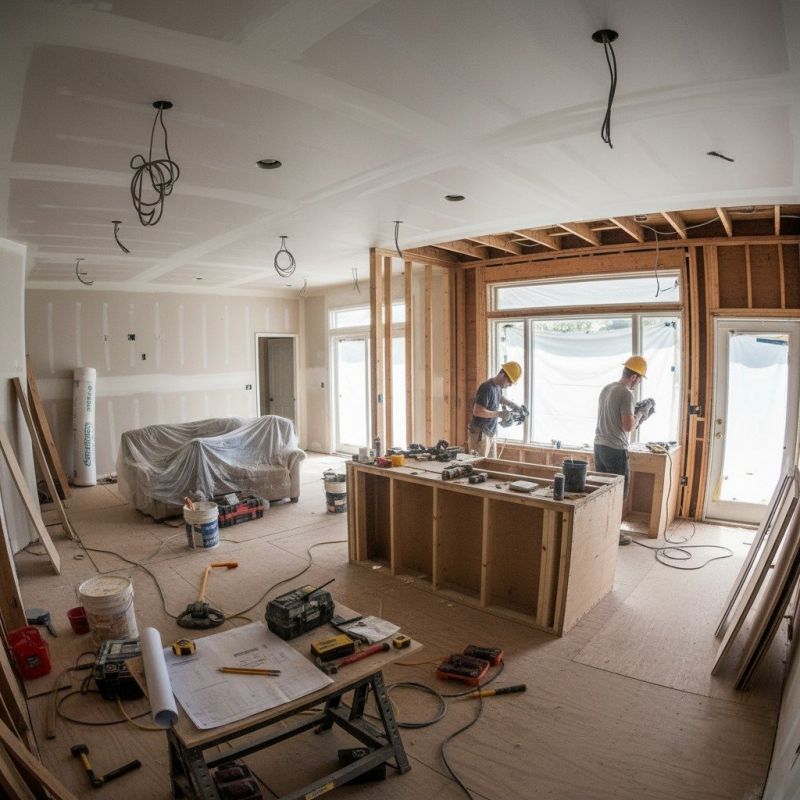


This section guides you in comparing local contractors, defining project scope, verifying experience, and establishing clear written expectations.
- Define project scope - clearly outline the specific remodeling tasks and areas to be addressed in the project.
- Assess experience and expertise - verify that local contractors have relevant experience with industrial remodeling projects.
- Establish project requirements - specify the technical, safety, and operational standards that the remodel must meet.
- Determine communication expectations - agree on how project updates and changes will be documented and shared in writing.
- Compare credentials and references - review the backgrounds and previous work of service providers to ensure reliability.
When comparing contractors for industrial remodeling projects, it is essential to evaluate their experience with similar types of work. A contractor who has a proven track record in handling projects comparable in scope and complexity can offer valuable insights and demonstrate familiarity with the specific requirements of industrial environments. Asking about past projects, the types of facilities they have worked on, and the challenges they have successfully managed can help gauge their capability to deliver quality results.
A clear, written scope of work is a vital component in selecting a contractor. This document should outline the specific tasks, materials, and standards expected for the project, providing a shared understanding between the homeowner and the service provider. A detailed scope helps prevent misunderstandings and ensures that all parties are aligned on project expectations, making it easier to compare different contractors based on the thoroughness and clarity of their proposals.
Verification basics involve assessing how contractors document their work and verify project details. This includes reviewing their process for confirming project requirements, ensuring materials meet specifications, and maintaining proper communication throughout the project. Contractors who emphasize transparent documentation and verification practices tend to facilitate smoother project execution and reduce the likelihood of surprises, making them more reliable choices.
When evaluating options, it is important to focus on how each contractor defines and communicates the scope, their experience with similar projects, and their verification methods. Comparing the level of detail in proposals, asking for references or examples of past work, and clarifying their approach to project management can help identify service providers who are well-equipped to handle the specific needs of industrial remodeling. This approach ensures a thoughtful selection process based on expertise and professionalism, rather than price alone.
Ask contractors to provide written scope details to ensure clear expectations and consistent project understanding.
- Experience and Expertise - What specific experience do local contractors have with industrial remodeling projects similar to yours?
- Scope of Work - How do local service providers define and document the scope of work to ensure clarity and alignment?
- Project Approach - What processes do contractors use to plan and manage industrial remodeling tasks effectively?
- Communication and Expectations - How do local contractors communicate project details and set expectations in written agreements?
- Comparing Contractors - What criteria should be used to compare the qualifications and approaches of different industrial remodeling service providers?
What should I consider when choosing an industrial remodeling contractor? It's important to review their experience with similar projects, verify their reputation through references, and ensure they understand the specific scope of work needed for your industrial space.
How can I compare different contractors for my industrial remodeling project? Comparing contractors involves examining their past work, checking reviews or references, and assessing their ability to define clear project scopes and expectations in writing.
Why is defining the scope of work important before hiring a contractor? Clearly outlining the scope helps prevent misunderstandings, ensures all parties agree on project details, and provides a basis for managing expectations throughout the remodeling process.
What questions should I ask a contractor about their experience? Ask about their previous projects similar to yours, the types of industrial spaces they have worked on, and how they handle project challenges or changes during remodeling.
How can I verify a contractor’s experience in industrial remodeling? Request details of past projects, seek references or reviews, and confirm their familiarity with the specific requirements of industrial environments.
What is the benefit of having a written agreement with a contractor? A written agreement clearly states the scope, responsibilities, and expectations, helping to prevent disputes and ensuring everyone is aligned before work begins.
By reviewing the information provided, visitors should now understand how to effectively compare industrial remodeling contractors, including defining the scope of work, verifying experience, and establishing clear expectations in writing. This approach helps ensure the project is well-organized and aligns with specific needs. Utilizing the quote form allows for straightforward comparisons among local service providers, making it easier to find the right match for the job.
Encouraging visitors to take the next step, the quote form offers a simple way to connect with experienced local contractors who can handle industrial remodeling projects. Gathering details through this form can assist in evaluating options and setting a solid foundation for the remodeling process.